

Call us now
08045814582
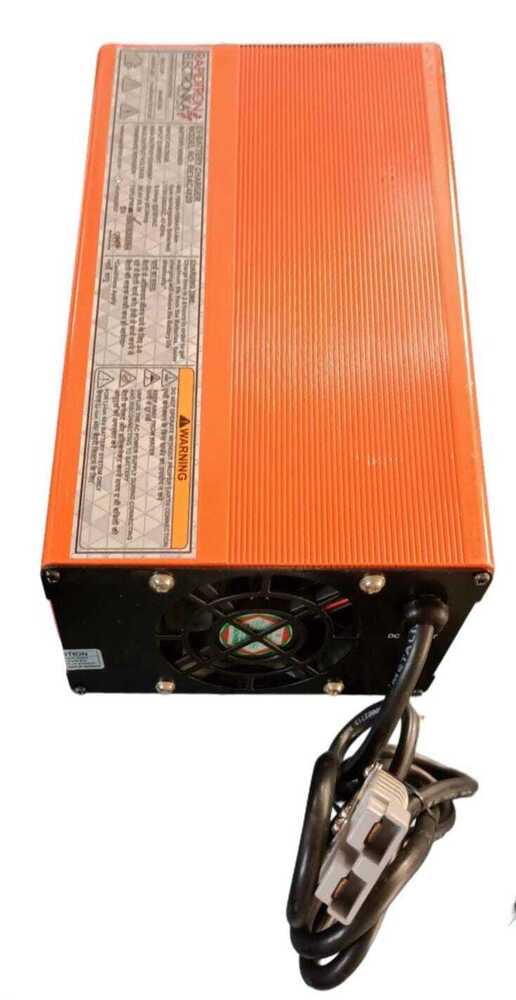
48V-30Amp Li-ion Battery Charger For E Rickshaw 3-Wheeler
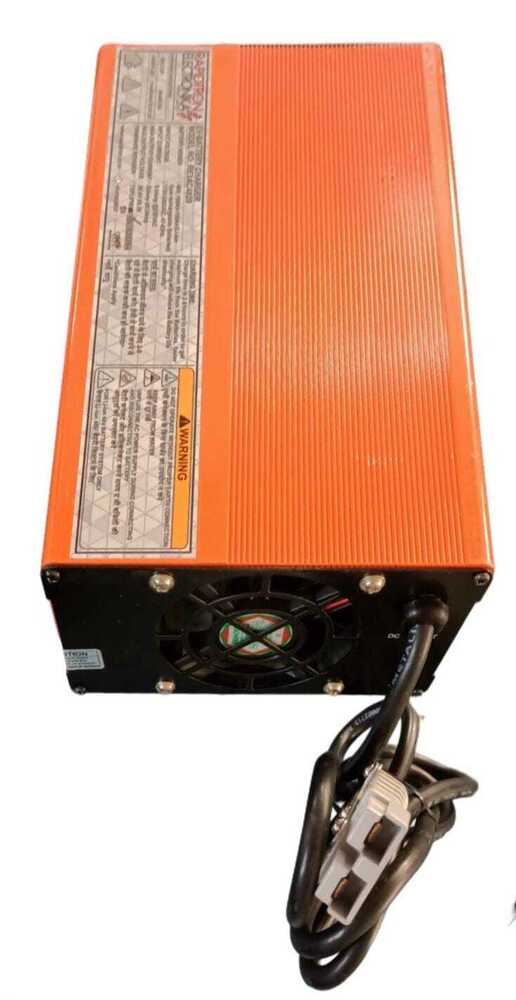

48V-30Amp Li-ion Battery Charger For E Rickshaw 3-Wheeler Specification
- Dimension (L*W*H)
- 283*153*91 Millimeter (mm)
- Power
- 1440W to 1764W Watt (w)
- Suitable For
- EV Three Wheeler Electric Vehicle
- Ambient Temperature
- Operating Temp.0 to +50, Storage Temp. 20 to +75 Celsius (oC)
- Product Type
- Electric Charger
- Material
- Aluminium Enclosure
- Socket Type
- SB-50 or SB-75 and Customized as per Requirements
- Input Voltage
- 170V to 300V AC Volt (V)
- Output Voltage
- 48V to 58.8V DC Volt (V)
- Usage
- Battery
- Rated Frequency
- 47Hz to 63Hz Hertz (HZ)
- Voltage Range
- 48V to 58.8V DC
- Weight
- 3.5 Kilograms (kg)
- Warranty
- 12 months
48V-30Amp Li-ion Battery Charger For E Rickshaw 3-Wheeler Trade Information
- Minimum Order Quantity
- 20 Pieces
- Payment Terms
- Cash Advance (CA)
- Supply Ability
- 10000 Pieces Per Month
- Delivery Time
- 4 Days
- Main Export Market(s)
- Asia
- Certifications
- ISO, ICAT and ARIA
About 48V-30Amp Li-ion Battery Charger For E Rickshaw 3-Wheeler
High-Performance EV 3-Wheeler Li-Ion Battery ChargerDesigned for the modern electric vehicle ecosystem, this charger is tailored for 3-wheeler applications, ensuring efficient and safe charging for Lithium-Ion (Li-Ion) batteries. Engineered to deliver reliability and optimal performance, it is ideal for commercial and personal use.
Efficient Battery Charging for EV Three-Wheelers
This 48V-30Amp Li-ion battery charger delivers reliable, high-speed charging for electric rickshaws and three-wheelers. Engineered for consistent performance, it operates safely across a broad ambient temperature spectrum, from chilly mornings to hot afternoons, ensuring batteries are fully charged with impressive energy conversion and stability.
Versatile Design and User-Centric Features
With flexible socket options (SB-50 or SB-75) and customizable specifications, this charger is suitable for varying e-vehicle setups. Its robust aluminium case provides durability for daily use, while the compact 283*153*91 mm design makes it easy to mount and manage, simplifying installation for operators and maintenance personnel.
Installation and Reliable Operation
Installation is straightforward, thanks to versatile socket compatibility and standard AC input voltage (170-300V). The charger remains stable during voltage fluctuations and offers a rated frequency range of 47Hz63Hz. Its 12-month warranty assures users of dependable post-sale support in case of manufacturing defects.
FAQs of 48V-30Amp Li-ion Battery Charger For E Rickshaw 3-Wheeler:
Q: How do I install the 48V-30Amp Li-ion battery charger for my E Rickshaw?
A: Begin by mounting the charger in a ventilated location using the compact aluminium enclosure (283*153*91 mm). Connect the output lead to your E Rickshaw battery using the appropriate compatible socket type (SB-50 or SB-75). Then plug the charger into a standard AC supply (170V to 300V). Ensure all connections are secure before powering on.Q: What electric vehicles are compatible with this charger model?
A: This charger is designed for three-wheeler electric vehicles and E Rickshaws that utilize a battery system with a nominal voltage of 48V up to a maximum of 58.8V DC. The charger can be further customized to match specific vehicle requirements if needed.Q: When is the optimal time to use this Li-ion charger for battery maintenance?
A: For optimal battery longevity, use the charger to fully recharge your E Rickshaw battery after daily operation or when the battery drops below 20% charge. Avoid frequent deep discharges, and always operate within the recommended ambient temperature range (0C to +50C).Q: Where can I source this charger, and do you provide export services?
A: This product is manufactured, supplied, and exported by an Indian company. Interested customers can obtain it via authorized distributors, direct order from the manufacturer, or through export channels if located internationally.Q: What is the process for customizing the charger to fit specific requirements?
A: Customization involves selecting socket types (SB-50 or SB-75) and adjusting output specifications according to your electric vehicles battery system. Contact the manufacturer or supplier with your technical requirements, and they will guide you through tailoring the charger to fit your application.Q: How does this charger benefit E Rickshaw and three-wheeler operators?
A: The charger offers efficient, stable, and quick battery charging, reducing downtime and allowing vehicles to spend more time in service. Its robust construction ensures durability, while the broad input voltage range allows for reliable charging even in areas with fluctuating power supply.Q: What usage precautions should be observed with this battery charger?
A: Ensure the charger is operated in a ventilated area within the specified ambient temperature range (0C to +50C). Avoid exposure to moisture, and do not block the ventilation openings on the aluminium enclosure. Regularly inspect connectors for wear, and use only as directed for compatible lithium-ion batteries.Tell us about your requirement

Price:
Quantity
Select Unit
- 50
- 100
- 200
- 250
- 500
- 1000+
Additional detail
Mobile number
Email

More Products in Three Wheeler Charger Category
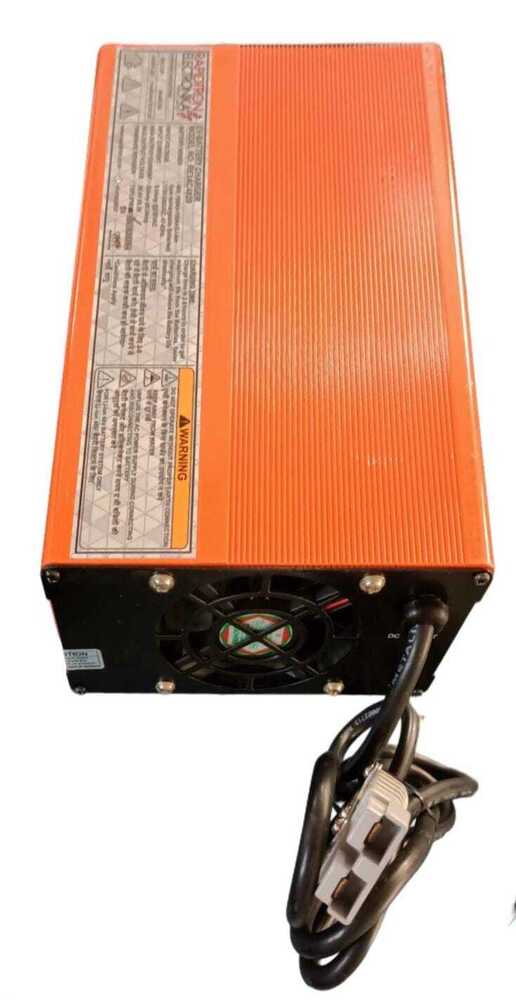
72V-30Amp Li-ion Battery charger For E Rickshaw 3-Wheeler
Price 10800.00 INR / Piece
Minimum Order Quantity : 20 Pieces
Rated Frequency : 47Hz to 63Hz Hertz (HZ)
Power : 2160W to 2520W Watt (w)
Usage : Battery
Dimension (L*W*H) : 283*153*91 Millimeter (mm)
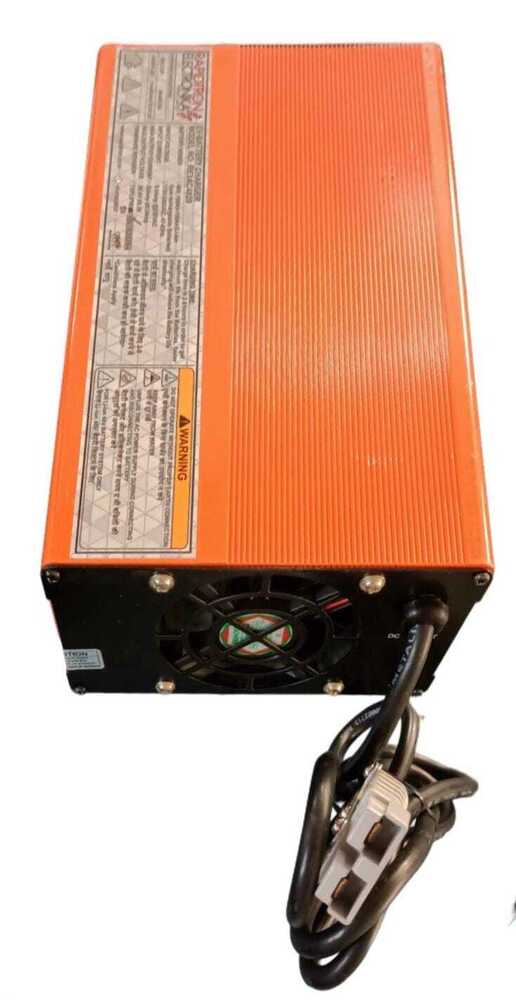
48V-16Amp Li-ion Battery Charger For E Rickshaw 3-Wheeler
Price 4130.00 INR / Piece
Minimum Order Quantity : 20 Pieces
Rated Frequency : 47Hz to 63Hz Hertz (HZ)
Power : 768W to 940W Watt (w)
Usage : Battery
Dimension (L*W*H) : 259*153*91 Millimeter (mm)
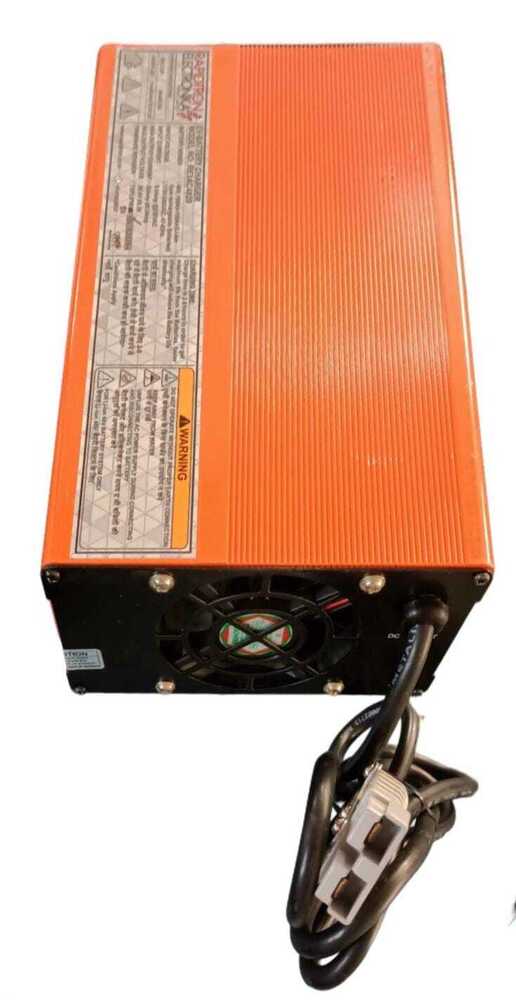
72V-25Amp Li-ion Battery Charger For E Rickshaw 3-Wheeler
Price 6860.00 INR / Piece
Minimum Order Quantity : 20 Pieces
Rated Frequency : 47Hz to 63Hz Hertz (HZ)
Power : 1800W to 2100W Watt (w)
Usage : Battery
Dimension (L*W*H) : 283*153*91 Millimeter (mm)
60V-35A Li-ion Battery Charger For E Rickshaw 3-Wheeler
Price 10160.00 INR / Piece
Minimum Order Quantity : 20 Pieces
Rated Frequency : 47Hz to 63Hz Hertz (HZ)
Power : 2100W to 2555W Watt (w)
Usage : Battery
Dimension (L*W*H) : 283*153*91 Millimeter (mm)

GST : 36AAJCR5625E1ZC
Sy No.25, Plot No. -1, 2 And 3, ANR Acrade, 2nd Floor, Near Ramapally Cross Road, Nagaram,Hyderabad - 500083, Telangana, India
Phone :08045814582
 Send Inquiry
 Send Inquiry
 Send SMS
RAPIDTRON ELECTRONIKA PRIVATE LIMITED
All Rights Reserved.(Terms of Use)
Developed and Managed by Infocom Network Private Limited.
Developed and Managed by Infocom Network Private Limited.

